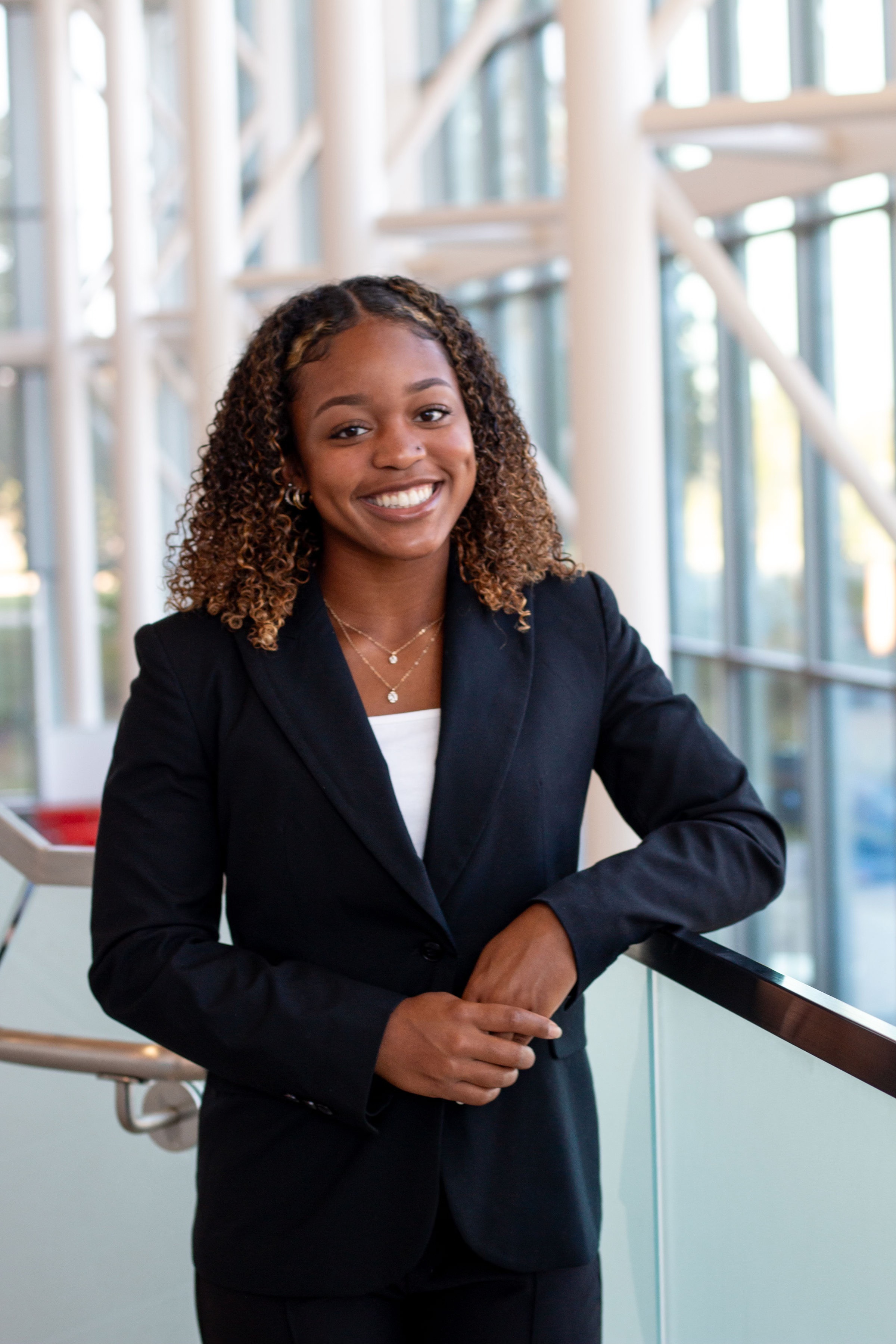
On Monday November 4th, the Student Athlete Advisory Council (SAAC) had a meeting to discuss an email sent by Wendy Wilson. Wendy is the Associate Athletic Director of Grand Valley State University and oversees anything regarding compliance and eligibility at the University. In her email, she was responding to the matter that fall sport athletes were complaining about the fact that they have not been receiving any pictures taken by the GVSU media department. The reasoning she stated was that student-athletes were misusing those pictures for Name, Image, and Likeness(NIL) purposes. As a student-athlete at the university, my initial question was how are we supposed to know what rules apply to us?
The decision of NIL was announced in late June and effective July 1st of 2021 and brings in an estimated one billion dollars annually. This solution was proposed so athletes can benefit from their own name, image, and likeness in lieu of the NCAA actually paying athletes for all that we are putting our bodies through. It was a brilliant proposal but due to it all taking action so fast, there were immediately lots of kinks to iron out and still a lot of questions are raised to this day.
“Usually with NCAA rules, you get six to nine months before they take effect, (and) with NIL I think we got less than a week,” said Wilson.
As athletes from all over the country hear about this opportunity, many (including myself) are left confused on what rules apply to them and what ones do not. With states having different laws from one another and different regulations depending on the division, I may see or hear things that don’t necessarily apply to me. Everyday I am seeing Angel Reese and Olivia Dunne promote NIL opportunities in their uniforms, but I’m being told I can’t due to a ‘compliance issue’.

Little did I know that division one athletes are less regulated than I am as a division-two athlete. Wendy explained how when NIL was proposed there were temporary guidelines proposed by the NCAA that we codified into our bylaws last year. Part of the GVSU bylaws includes a statement that says “Student-athletes, like all students and staff of the University, may not use the University name, trademarks, service marks, logos, symbols, or any other intellectual property, whether registered or not, without appropriate licensing approval,” This is the rule that is most often looked over.
“To the best of my knowledge (division one)has not yet put (anything) in the bylaws so it’s really hard at division one to say ‘this is a violation of this bylaw’,” Wilson said.
She mentioned how division one may be gearing up to follow division two, but that just isn’t the current state of things. If you ask me, it makes less sense that the lines are blurred more for division one given that the stakes are much higher for them with NIL deals worth a lot more money. Their deals also have larger impacts on things such as the transfer portal.
After looking into things deeper, NIL deals are nearly a deciding factor for some athletes making a decision on where they will attend school. Jordan Addison, who was a wide receiver for The University of Pittsburgh, transferred to The University of Southern California because of a $3.5 million NIL contract. NIL is a good thing in the sense that athletes are able to provide for their families back home if necessary, but when choosing the right place to get your degree, this is leaving many athletes choosing a school for essentially the wrong reason. What if they end up too far from home, don’t click with the team or even have a bad relationship with the coach?
To make sure that my thoughts aren’t one sided, I spoke with a couple fellow athletes on the GVSU track and field team. With no surprise at all, they confirmed that the whole concept of NIL just seemed confusing.
“It all just feels like a bit much at times, and I mean I’m here to compete so I really just focus on that cause I don’t really want to cloud my head with all the different NIL stuff,” said senior Myles Rhodes.
With a lack of understanding it makes sense that athletes are shying away from a good opportunity. Wendy Wilson has a duty to make sure that no student athletes are breaking any rules in regards to compliance, and honestly it is intimidating. When my eligibility as an athlete could potentially be put in jeopardy, the most important thing is that I make sure I am following all of the rules necessary. For many athletes if this means extra work on top of what we are already doing, then it is already ruled out as something that will be worth the commitment.
“I just feel like there’s so many rules, I had to sign a lot, it just felt like a lot and I don’t think I really had the time to do it,” said sophomore Destini Dorkins in regards to deciding not to pursue an NIL opportunity.
As an ambassador of the company Alani Nutrition, I am not getting paid, but I do get about $200 of free stuff every month. I was required to report all the necessary information to Wendy through the quite glitchy app that the University uses called INFLCR. Any in depth information that I have received about NIL, I learned through my own research. The singular one-hour meeting with the compliance office in the beginning of the school year is not nearly enough to cover all the ins and outs of name, image and likeness.
As of December 5th, 2023, the NCAA President Charlie Baker proposed a rule change to “allow the most highly resourced school in Division one to pay athletes directly via name, image and likeness deals,” with the use of a trust fund. But what does this mean for division two? As things like this get approved, there is still no federal law in place that sets the ‘standard’ due to a lack of a consensus on what that federal bill might look like. Over a dozen have been introduced, but none have made it out. Until that happens, states will continue to follow their own rules given that NCAA guidelines are merely just a recommendation. With this being said, the same question still remains; how are we supposed to know what applies to us and what doesn’t?
 Melia Williams Portfolio
Leave a comment